
Featured projects and supporting builds shown in one place.
Web Projects
Web products, platforms & interactive builds.
A selection of projects across education, utilities, ecommerce, finance tools, and branded digital experiences — each combining interface design with real implementation work.
User experience, application logic, and production-ready implementation.
Education, utilities, ecommerce, publishing, and secure communication.
Projects built for browsers, internal tools, and desktop-style workflows.
Featured Work
Featured projects.
A closer look at selected builds — the technology behind them and the experience each product was designed to deliver.
01 / SaaS Dashboard
Commander
Unified Command Center
Tavernix Commander
A centralized admin dashboard that ties together Tavernix's three core SaaS products — Scouter, Destiny, and Bridget — into a single real-time command interface with chat-based interaction and modular per-product views.
React 18
TypeScript
Vite
TailwindCSS
Framer Motion
WebSocket
Axios
- Single authenticated hub controlling three separate SaaS products from one sidebar.
- Real-time chat interface with WebSocket streaming and animated message bubbles.
- Protected routes with AuthContext — login gates all module access cleanly.
- Framer Motion animations throughout for an interface that feels live, not static.
02 / Voice Platform

B2B Voice Call Center
Destiny
A multi-tenant B2B SaaS call center platform supporting automated outbound campaigns with IVR scripts, DTMF input, and SMS fallback — plus an inbound WebRTC softphone for live agents running directly in the browser.
Fastify 5
React 19
TypeScript
Prisma
BullMQ
Twilio
Google TTS
AWS S3
- Outbound campaign engine with IVR scripting, DTMF collection, and SMS fallback built in.
- Browser-based WebRTC softphone — agents take live calls without any installed software.
- Multi-tenant architecture with strict tenant scoping, JWT auth, and audit logging.
- BullMQ worker handles TTS generation and async call processing at scale via Redis.
03 / Engagement Platform

QR Check-In & Flow Builder
Bridget
A universal physical-to-digital customer engagement platform — customers scan a QR code to enter customizable check-in flows, while businesses manage locations, track arrivals in real time, and build flows with a drag-and-drop editor.
Express
React 19
TypeScript
Prisma
Socket.IO
Redis
Stripe
Expo
- QR generation tied to location slugs — scan-to-session flow resolves instantly.
- Drag-and-drop flow builder (dnd-kit) lets businesses configure custom check-in steps.
- Real-time arrivals dashboard via Socket.IO — no polling, no refresh needed.
- Role-based access across admin, super-admin, and customer tiers with JWT + Zod validation.
Automated Lead Pipeline
Scouter
An automated lead generation and outreach platform that discovers local businesses via Google Maps, generates personalized pitch sites with LLM assistance, and sends Claude-crafted email campaigns — all for around $0.03 per lead.
Node.js
TypeScript
Express
Claude AI
Puppeteer
MySQL
- Multi-source scraping — Google Maps, state registrations, and web crawling feed the pipeline.
- Claude writes personalized pitch emails and generates bespoke landing sites per lead.
- Automated email discovery, delivery, and SMS fallback keep the pipeline fully hands-off.
- Nightly cron cleanup, PDF/CSV reporting, and a login-gated dashboard for pipeline oversight.
Archive
Additional work.
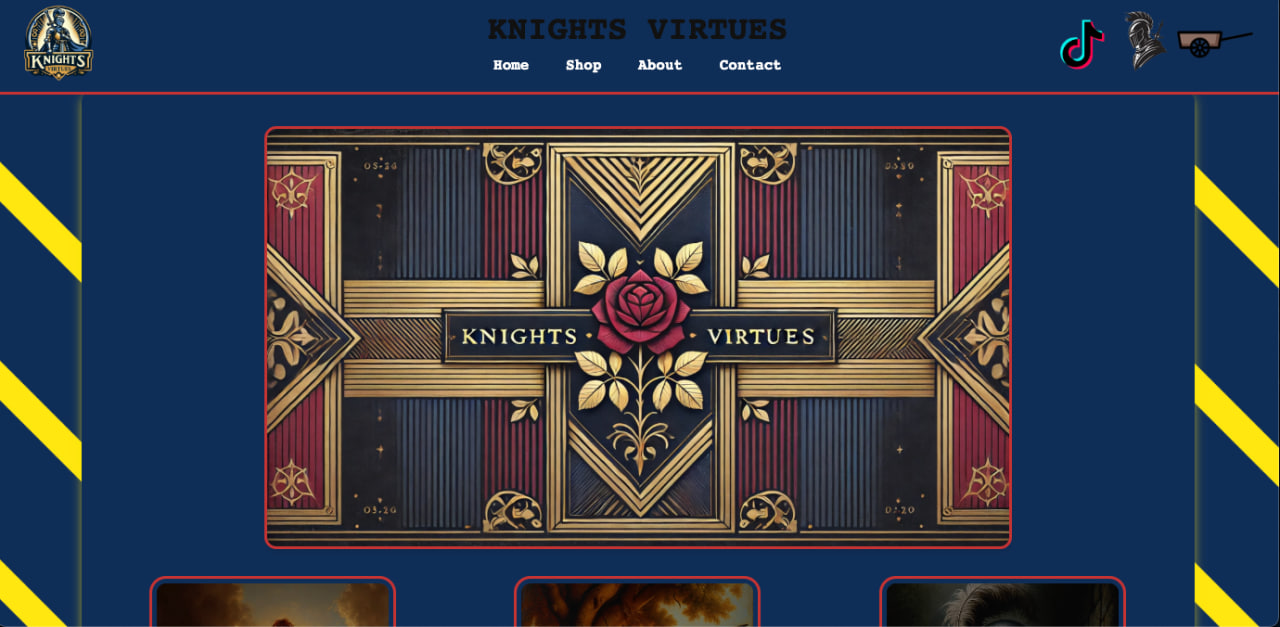
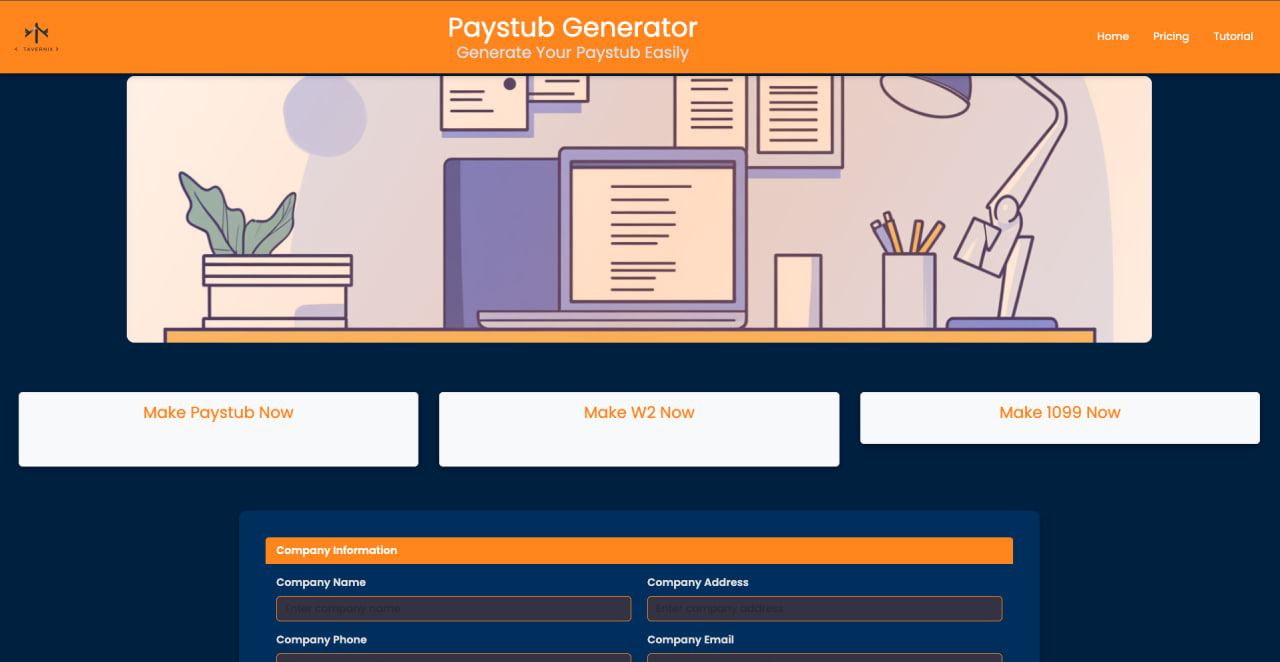
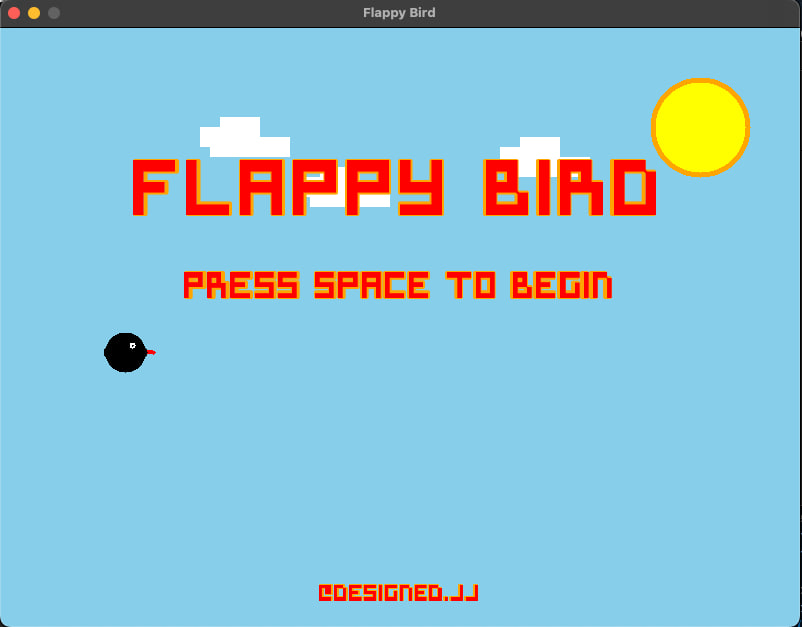
More projects across software, ecommerce, branded sites, and concept work.



Capabilities
Core strengths.
Product interfaces
Designing responsive, user-facing experiences that stay clear, fast, and visually consistent across devices.
Application logic
Building the systems behind the interface — forms, APIs, user workflows, data handling, and dynamic features.
Deployment mindset
Shipping projects with practical attention to hosting, performance, scalability, and maintainability.